Home/ Elements/ Cr
Chromium
Cr 24

Chromium

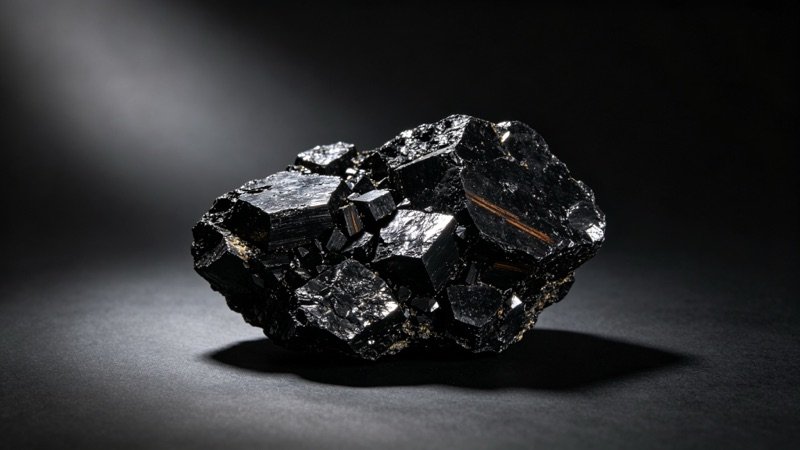
Chromium is a chemical element; it has symbol Cr and atomic number 24. It is the first element in group 6. It is a steely-grey, lustrous, hard, and brittle transition metal. Chromium is valued for its high corrosion resistance and hardness. A major development in steel production was the discovery that steel could be made highly resistant to corrosion and discoloration by adding metallic chromium to form stainless steel. Chromium plating is widely used to give steel and other metals a shiny, hard surface.

Transition Metal USGS 2025 silvery metallic
Atomic number 24Z
Atomic mass 51.996u
Valence e⁻ 1
Electron config. 1s2 2s2 2p6 3s2 3p6 4s1 3d5
Density
7.19g/cm³
Melting point
1907°C
Crustal abundance
102.0ppm
Annual production
47000thousand metric tons
Recycling rate
70%(Moderate recycling rate (~25%); chromium recovered from stainless steel scrap)

Why This Element

Chromium is the 21st most abundant element in Earth's crust, valued for three properties in particular: extreme hardness (Mohs 9, second only to carbon and boron carbide), bright metallic luster, and the self-passivating oxide layer that makes stainless steel stainless. Each property underlies a distinct industrial sector.

Applications

Stainless steelChrome platingAlloysRefractory materials

Applications in DepthElement & compound uses

Main Uses of the Element

Chromium is the protagonist of modern stainless steel and electroplating, and an indispensable alloying element. Steel is its largest outlet: stainless steel typically contains more than 10% chromium, which spontaneously forms a dense passivating oxide film on the steel surface, making the steel rust-free and corrosion-resistant in air, water, acids and alkalis; stainless steel is therefore used in large quantities in tableware, kitchenware, chemical reactors, architectural curtain walls and medical instruments. Adding chromium to tool steel, bearing steel and gear steel raises hardness and wear resistance. Chromium plating is another major use: a bright decorative chromium layer on automotive bumpers, bicycle frames, bathroom fittings and appliance housings is both wear-resistant and reflective, while hard chrome plating serves as a wear-resistant surface layer on hydraulic piston rods, molds and printing rolls. In refractories, chromium ore is used in chrome-magnesite bricks for steelmaking furnaces and glass tanks, resisting high-temperature slag attack. In defense and aerospace, chromium is an important constituent of superalloys and electrical-resistance alloys, and nichrome wire is the heating element of electric furnaces and hair dryers. Chromium’s secure standing rests on that self-healing oxide film, which gives inexpensive iron-based materials expensive corrosion resistance.

Key Compounds and Their Uses

Chromium oxide (Cr2O3), commonly called chrome green, is a dark-green pigment with strong tinting power and light and heat resistance, used in paints, ceramic glazes and inks; it is also the raw material for preparing other chromium compounds and metallic chromium, and is used as a green abrasive in grinding and polishing. Chrome yellow, or lead chromate (PbCrO4), was once a vivid, full-bodied yellow pigment commonly used in modern oil painting; because it contains lead and is toxic, it has largely been replaced by organic pigments and eco-friendly chromium pigments. Chromium trioxide (CrO3), also called chromic anhydride, is a dark-red crystal that is the main component of chromium-plating electrolytes and a strong oxidizer used in aluminum anodizing and wood preservation; because hexavalent chromium is toxic, its use has gradually come under strict restriction. Potassium dichromate (K2Cr2O7) is an orange-red strong oxidizer, once used in large quantities for leather tanning, laboratory glassware cleaning solution, organic synthesis and match manufacturing; since hexavalent chromium is a recognized carcinogen and environmental pollutant, its use is being strictly curtailed and replaced worldwide.
Element History

Discovered in 1797 by Nicolas Louis Vauquelin while analyzing a Siberian lead chromate mineral (crocoite). Vauquelin isolated chromium trioxide and subsequently the metal itself via reduction with charcoal. Large-scale production began in the 1870s as chromium plating technology developed.

Related Elements

Sc · Scandium Ti · Titanium V · Vanadium Mn · Manganese Fe · Iron Co · Cobalt Ni · Nickel Cu · Copper

Frequently Asked QuestionsLong-tail Q&A · data-driven

What is the melting point of Chromium?
1907 °C
What is the boiling point of Chromium?
2671 °C
What is the density of Chromium?
7.19 g/cm³
What are the atomic number and category of Chromium?
24 · Transition Metal
Which ore is Chromium mainly extracted from?
chromite
What are the world reserves of Chromium?
1200000 thousand metric tons
What is the annual production of Chromium?
47000 thousand metric tons
What are the main uses of Chromium?
Chromium is the 21st most abundant element in Earth's crust, valued for three properties in particular: extreme hardness (Mohs 9, second only to carbon and boron carbide), bright metallic luster, and the self-passivating
Who discovered Chromium and when?
Louis Nicolas Vauquelin · 1797