Cobalt is a strategic minor metal: its tonnage is small, but it sits across several critical supply chains, earning it a reputation as one of the 'vitamins of industry'. Its best-known use is in lithium-ion batteries: the cobalt layers in lithium cobalt oxide and NMC cathode materials stabilize the crystal structure and extend cycle life, and the batteries in phones, laptops and electric vehicles all depend on it. In superalloys, cobalt-based alloys combine high-temperature strength with resistance to hot corrosion and are used in gas-turbine blades, aero-engine combustion chambers and fuel nozzles, continuing to operate at temperatures at which other metals would soften. Cobalt is also an important magnetic-material feedstock: samarium-cobalt and Alnico magnets offer high energy products and excellent high-temperature stability and are widely used in sensors, precision motors and aerospace instruments. In addition, cobalt goes into cemented-carbide tools, petrochemical catalysts, feed additives and desiccants—small in tonnage but difficult to substitute.
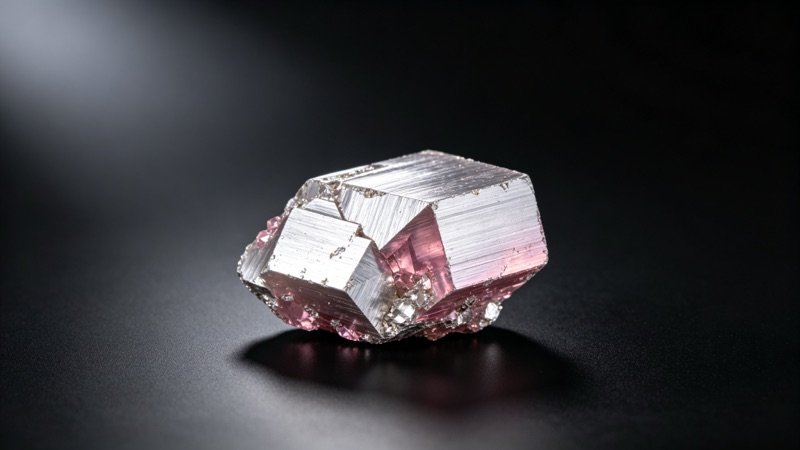
CoAsS, i.e. cobaltite, is the dominant primary ore from which cobalt is refined; it commonly occurs with copper-nickel sulfide ores, and after beneficiation cobalt is recovered through pyrometallurgical or hydrometallurgical flowsheets. Cobalt(II) oxide (CoO), a black or grey-green powder, is an intermediate for preparing other cobalt salts and cobalt catalysts, and is also used to color glass and ceramics, giving them a clear blue. Cobalt(II) sulfate (CoSO4) is the main raw material for cathode-material precursors and cobalt electroplating baths, and the modern expansion of NMC cathode capacity has directly driven its demand. Lithium cobalt oxide (LiCoO2), the first cathode material to be commercialized and still widely used in phone and laptop batteries, has a layered structure that allows lithium ions to be reversibly inserted and extracted, determining the battery's energy density and cycle life.