At
85
Astatine
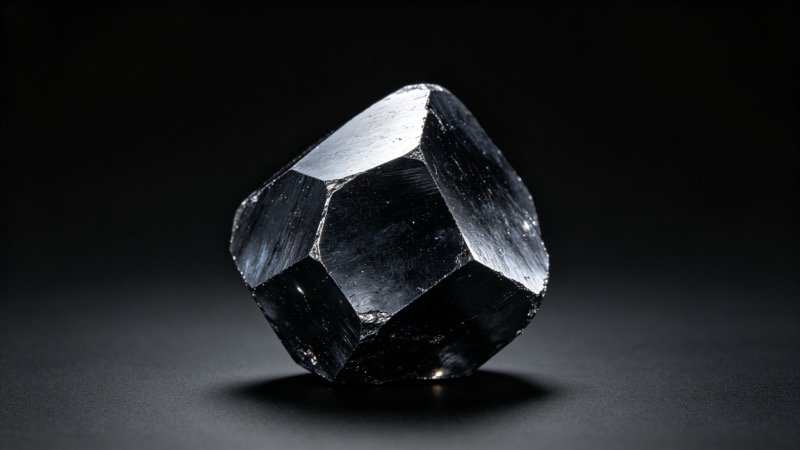
Astatine is a chemical element; it has symbol At and atomic number 85. It is the rarest naturally occurring element in the Earth's crust, occurring only as the decay product of various heavier elements. All of astatine's isotopes are short-lived; the most stable is astatine-210, with a half-life of 8.1 hours. Astatine was first produced by bombarding bismuth-209 with energetic alpha particles in 1940. Very little is known about astatine's properties due to its extreme rarity and high radioactivity. It is being investigated for use in targeted cancer therapy.
Halogen
unknown, probably metallic